To buy or not to buy – how to curate your watch collection
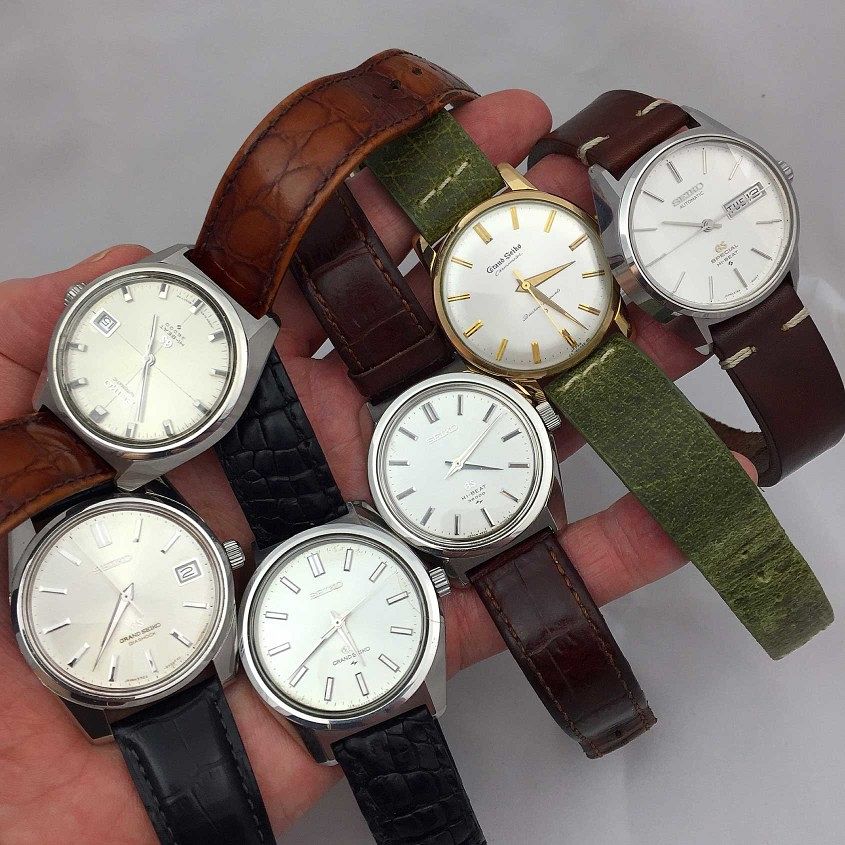 Collecting watches is a lot of fun. At least, it should be. If it ever stops being fun, I’d assume that’s because you got into it for the wrong reasons (to make a quick buck, most likely). If you’re about to take the plunge into this massively rewarding hobby, but you’re doing so because you think it will make you rich, don’t. If you started (or are about to start) collecting watches because you love them, welcome to the club. Everyone’s watch journey is different. They can depend on means and opportunities, or tastes and trends, or any number of factors that make your story your own. One thing is highly likely, though. You will make mistakes, missteps, and about-turns as you tread this path. Sometimes these errors in judgement are far from that at the time. It’s very possible that certain watches will instantly become an itch you just have to scratch, and scratch it you should (even if you feel like a fool for it a couple of years down the line). I’m afraid we can’t help you avoid that, but we do have a little bit of advice regarding some common questions we’ve been hearing recently: How…
The post To buy or not to buy – how to curate your watch collection appeared first on Time and Tide Watches.


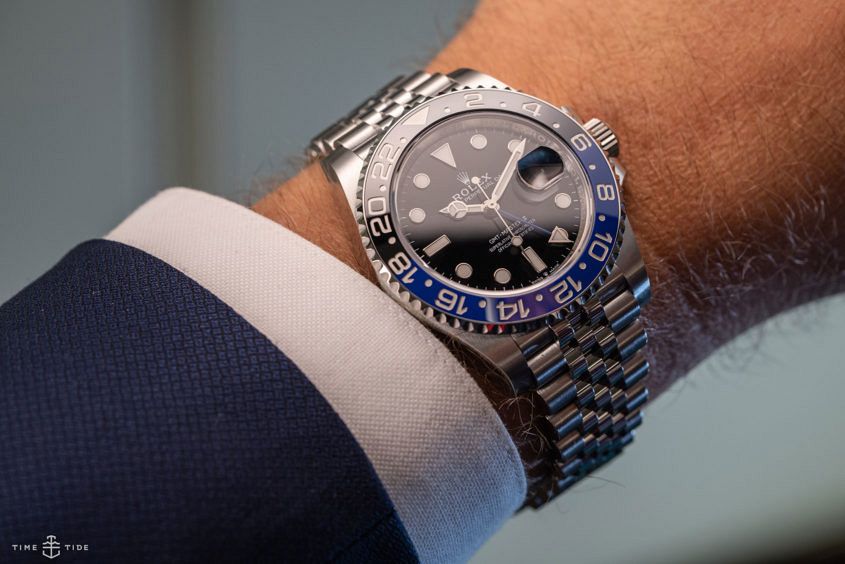 Much has been written about the growth of the pre-owned watch market in recent years, but just how long has this been happening, and will watches hold their value during a recession? With consecutive seasons of watch auctions breaking all-time records, luxury conglomerate Richemont spending an estimated €200m to acquire second-hand dealer Watchfinder & Co just over 12 months ago, and brands such as Audemars Piguet announcing their intention to sell their own pre-owned watches, there is a current land-grab for control over the lucrative pre-owned market. Beyond specific pre-owned markets, something is happening in the retail watch market too, which Sandra discussed in her frustration at the combination of waitlists and the premium over retail for certain models. In 2019, stainless steel is literally worth more than its weight in gold. But the phenomenon of waitlists feels recent in the watch collecting world, with some Rolex professional models being relatively easy to buy at retail only a half-decade ago. In actual fact, this uptick in the pre-owned market began a lot longer ago, with the FHH Journal observing strong auction results in 2008. That’s right, if you wanted evidence that the watch market behaves a little differently, this article…
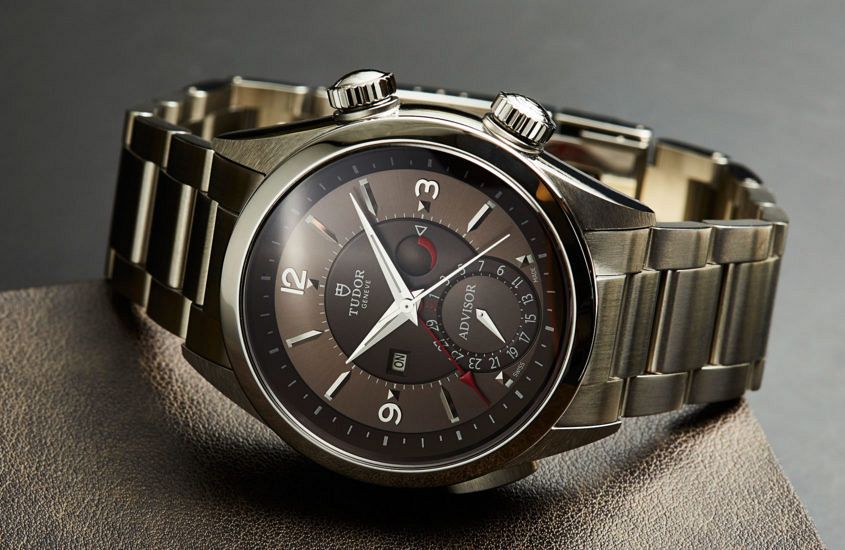 Editor’s note: I’ve always had a real soft spot for the Tudor Heritage Advisor. Not only is the alarm one of my favourite complications, but this watch — for all that it’s an outlier in the current catalogue — is a hugely important piece in the modern rebirth of Tudor. Read on to find out why … Last year, Tudor unveiled its first manufacture movement to nigh-on internet-breaking levels of fanfare and buzz. So impressive was the MT-5621 that it overshadowed the retro-modern North Flag that showcased it. But it’s a little remarked upon fact that Tudor’s first foray into in-house happened way back in 2011, in the Tudor Heritage Advisor — one of the earliest, and (in my opinion) most underrated of the Geneva-based brand’s popular Heritage collection. Before we talk about why the Advisor holds such a special place in Tudor’s line-up, let’s find out a little about where it came from. First released in 1957, the original Tudor Advisor was a small alarm watch, often in an Oyster-style case, powered by a manually wound A. Schild movement. Few watches capture the charm and anachronism of mechanical timekeeping quite like alarm complications. In these days of Google alerts and iPhone reminders it’s…
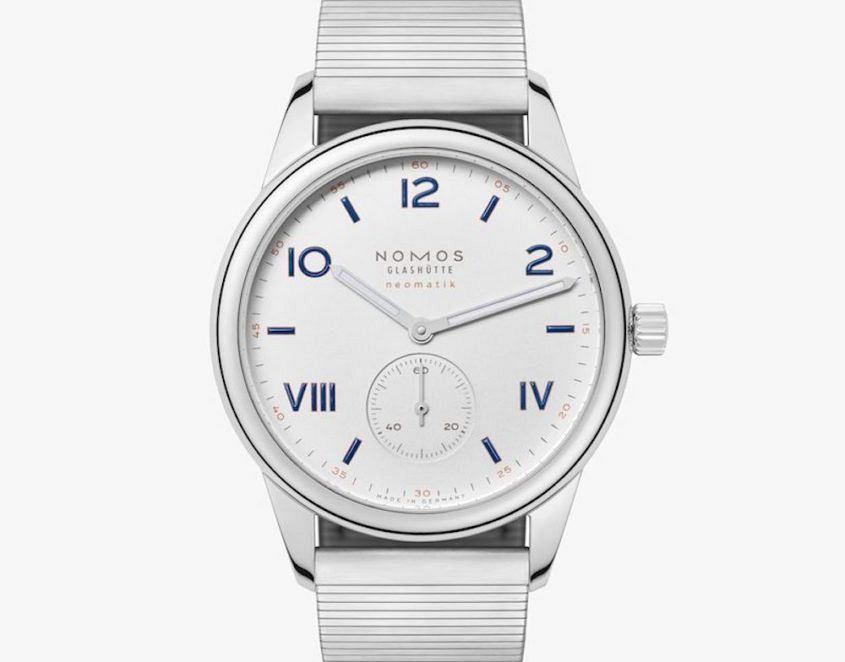 Affordability is a difficult thing to pin down. What is easily affordable for one person may be eternally out of reach for another. So, to avoid making too many assumptions, this article will include five watches that each feature in a different price bracket. These are picks for five of the best affordable dress watches in their respective categories. Under $1000, the Hamilton Ardmore $650 AUD There’s been a rumour abounding for years that Richard Gere wears a Hamilton Ardmore. While the veracity of that claim is hard to pin down, it certainly wouldn’t look out of place on his wrist. While some would classify the Ardmore as a woman’s watch due to its relatively petite dimensions, it has been carried off with aplomb by many a man before, so it seems unisex would be a fairer description. What’s great about this watch is that it does pretty much everything you could ask of a Deco-inspired timepiece made in the modern world. Its quartz movement is ideally hassle-free, while the sub-dial seconds hand is small enough for a tick rather than an automatic sweep not to matter. The dial is clean and has its roots in the early part of the…
 It was a long time between drinks. An epic 200 years. And both beverages were served in Britain. We are talking about the invention of the lever escapement, the ‘beating heart’ of the mechanical watch, by British clockmaker Thomas Mudge around 1775. The only successful alternative, the co-axial escapement, was unveiled nearly two centuries later by another Englishman, George Daniels. While others, including Abraham-Louis Breguet in 1787, made minor modifications to the tech, the story of the escapement is almost exclusively a tale of two Brits – or three, if you include Daniels’ apprentice Roger Smith. The co-axial escapement comprises a system of three pallets that separate the locking function from the impulse. This reduces the sliding friction of the lever escapement and, theoretically, the need for lubrication of the pallets, though in practice some is used to reduce impact corrosion. Twenty-five years later, Smith is a celebrated independent watchmaker in his own right. He explains how a movement that is now wholly associated with Omega, is pictured in this Rolex. Also, importantly, how it has come to be in his possession. T+T: What is the story of this watch? How did it come to have a modified escapement? RS:…
