
Hands-On: The Girard-Perregaux 1966 Skeleton Automatic, And Some Thoughts On Perceived Value
The Swiss watch industry has had more than its fair share of ups and downs this year. And, certainly, so has Girard-Perregaux, which despite its longevity and the tremendous history it has backing it up, has struggled for many years to get itself on solid footing and to establish a solid identity. Historically, there have been several sides to the company: on the one hand there is the very, very refined pocket watch production (much, though not all of it, from the 19th and early 20th centuries). On the other hand, there are the many very solid, if not exactly ground-breaking watches made by GP after World War II, which were generally built around solid, mid-range, third-party movements.


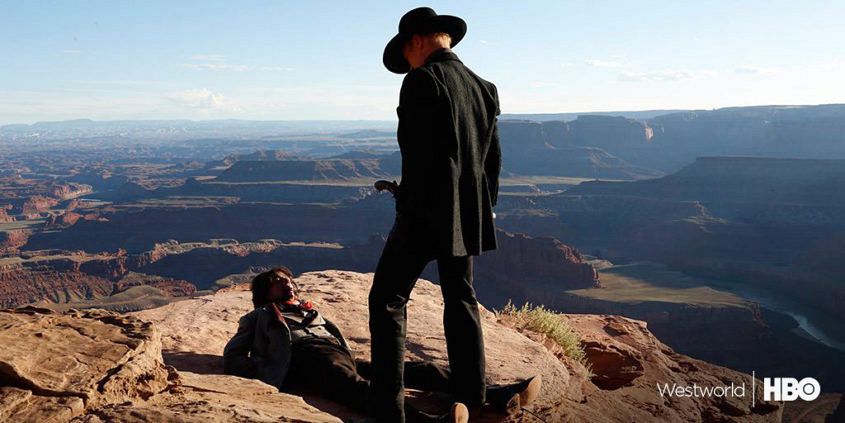 Right now, there’s an internal Time+Tide email thread going around with the subject line Westworld. It’s a series of communications chronicling our obsession with HBO’s latest retro-futurist hit, mostly consisting of questions (and this awesome mash-up). What is the maze? Why is there a burnt church in desert? Why isn’t Evan Rachel Wood in each and every shot? What sort of visitor would you be? When is Tony Hopkins going to crack open a can of fava beans and go full Hannibal? Of course, the major speculative drift of our correspondence is about… drumroll… watches. You see, one of the major joys we get from TV is spotting watches on wrists. And, much like the hosts after one too many reveries, it’s a joy that’s been taken away from us in Westworld. But that hasn’t stopped us. Lately we’ve been pondering what we’d use to tell the time if we were visitors to the park – much safer than dealing with the morality of the whole thing. Our first instinct was to go with wristwatches from famous American makers – Ball and Hamilton for example – though we quickly vetoed this as wristwatches would be too obvious a tell. We also dismissed using actual, period-correct,…